What’s happening at this urban triangle park?
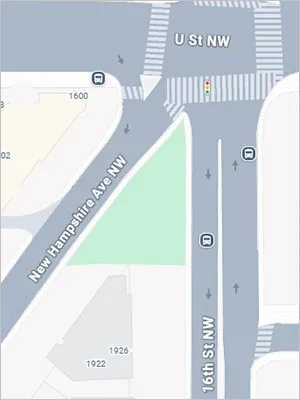
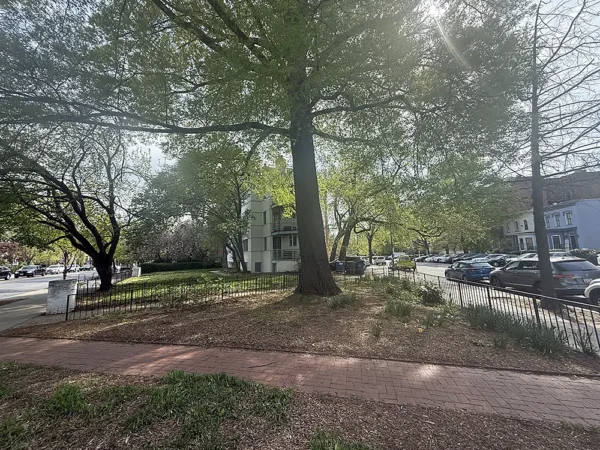
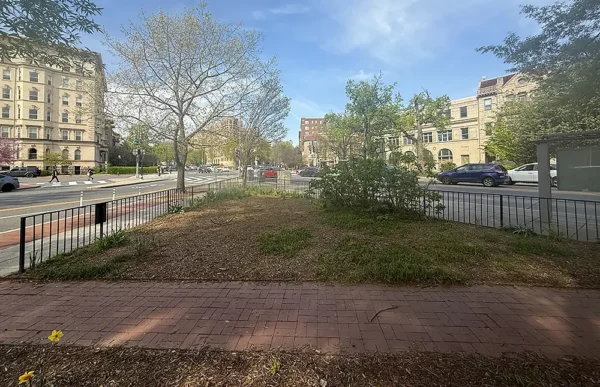
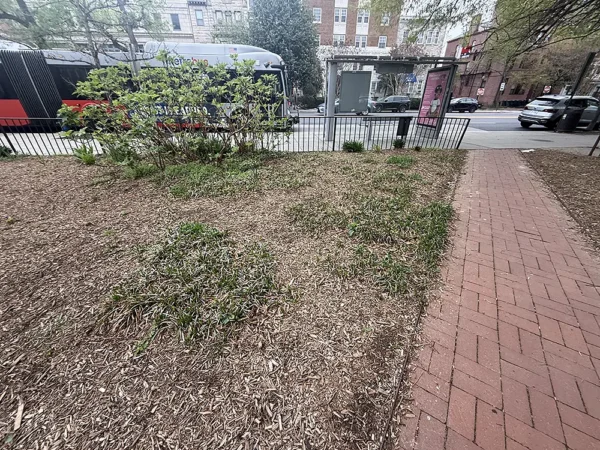
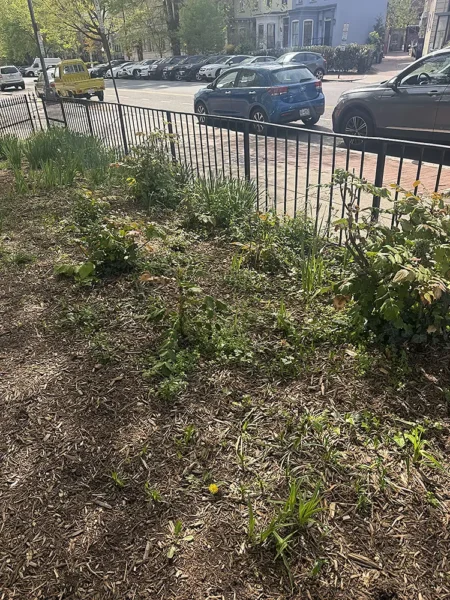
Reservation 146 is a triangular park owned by the National Park Service (National Mall and Memorial Parks), located at the southern junction of 16th Street, U Street, and New Hampshire Avenue, NW. The park has long benefited from neighborhood involvement and collaboration with NPS. Invasive species such as liriope and leatherleaf mahonia had been planted there, along with two native oakleaf hydrangeas, but in recent years the site has received little attention beyond basic maintenance.
As part of my Pollinator Steward Certification, I was required to create a new pollinator habitat. I saw Reservation 146 as an ideal opportunity—a blank slate with significant potential. After extensive planning and coordination, I recruited local volunteers in fall 2025 and began transforming the space into a native plant pollinator habitat.
Why are pollinators important?
Pollinators are essential as they sustain our ecosystems and produce our natural resources by helping plants reproduce. Somewhere between 75% and 95% of all flowering plants on the earth need help with pollination – they need pollinators. Pollinator populations face multiple threats that can impact their ability to thrive and survive. Many pollinator populations are threatened by habitat degradation and fragmentation. Pollution, pesticides, pests, pathogens, changes in land use, and climate change have all been associated with shrinking and shifting pollinator populations, particularly insect pollinators. One of the best things we can do to help pollinators is to create habitat for them. Learn more at
https://www.pollinator.org/
Goals of the project
- To meet the basic needs of pollinators and their entire life cycle by providing an urban landscape of native plants for food and habitat.
- To create a pollinator corridor which connects parks, gardens, and other properties by creating small stepping-stone habitats between larger viable areas. In cities, these green spaces are especially important because they help pollinators move through disturbed environments that can be difficult to cross. Rooftop gardens, curbside plantings, planters, and other small patches can all contribute to the corridor. This approach also engages the community by encouraging public participation in creating green space and raising awareness about the environment. Even a small triangle park can provide meaningful benefits to pollinators.
- To document what pollinator species visit the park via iNaturalist. This will happen on an ongoing basis as the plants mature, and will provide a measured scientific insight into the benefits the park is providing to pollinators.
Want to help the park?
The park will need ongoing attention and we welcome volunteers to help with daily trash patrol, watering as needed, weeding, planting and transplanting. Please let me know how you’d like to help via the signup form below.
Volunteer Signup
"*" indicates required fields
Timeline
Understand that this is not an instant gratification project. There’s a very accurate saying about perennial plants: “The first year they sleep, the second year they creep, the third year they leap.” Our work may not look like much the first year, and we don’t know yet which plants will thrive, or die. It will be a learning process. And, urban parks are challenging spaces as they face trash, pet waste, trampling of plants, drought, and so on. I think we’ll know by the fall of 2027 if we have built something that is sustainable. I’m excited for the adventure!
Late Summer 2026
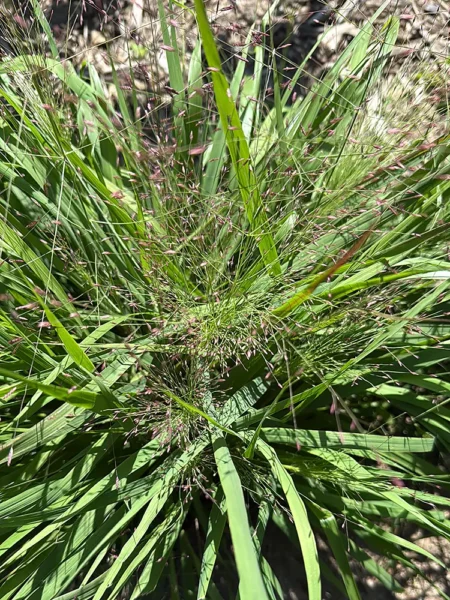
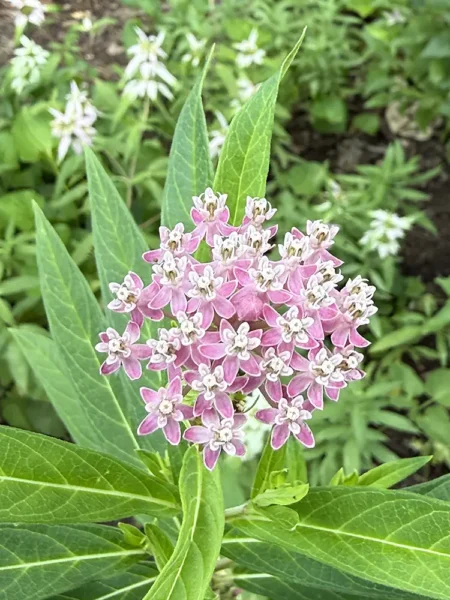
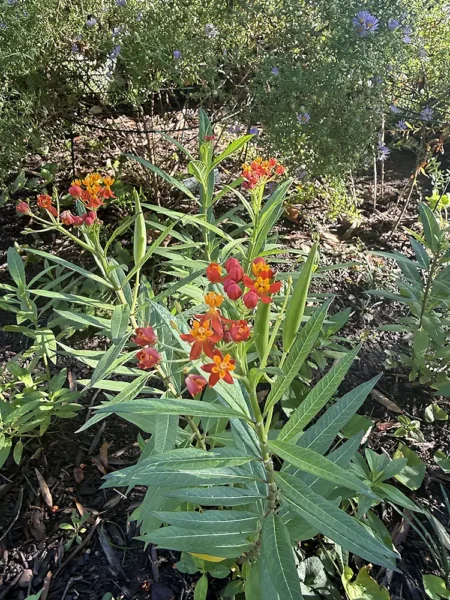
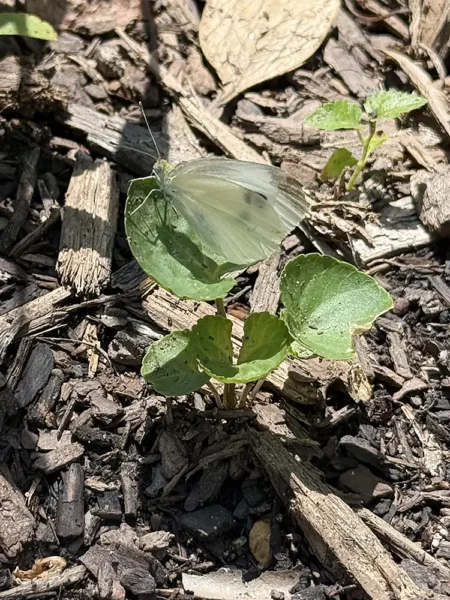
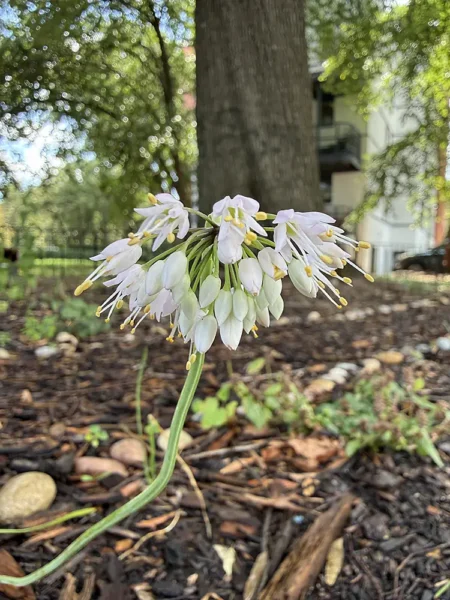
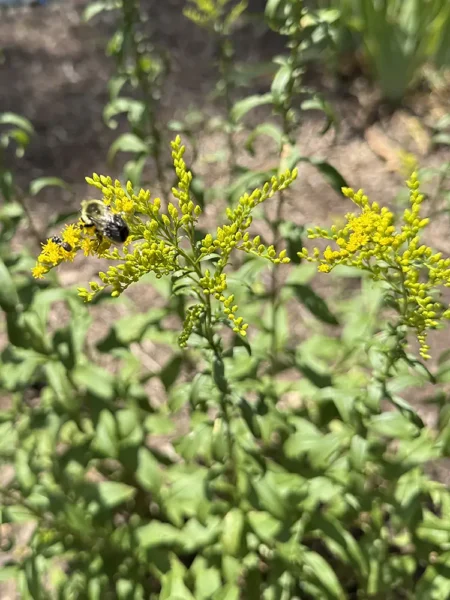
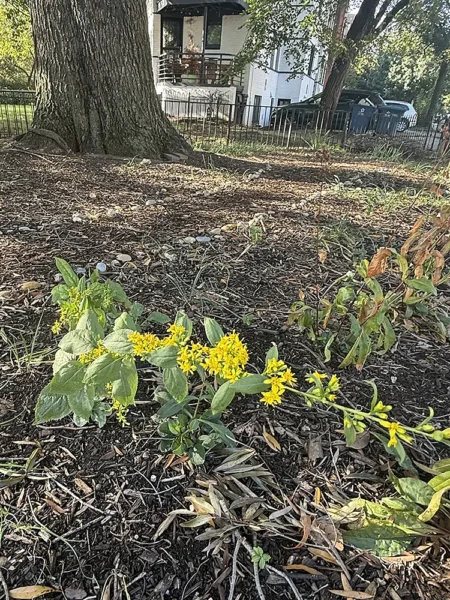
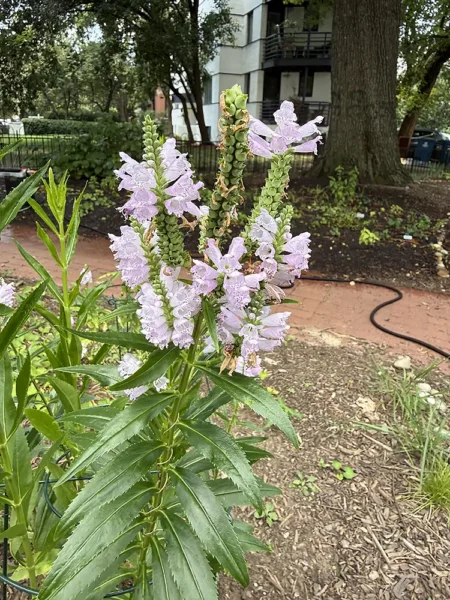
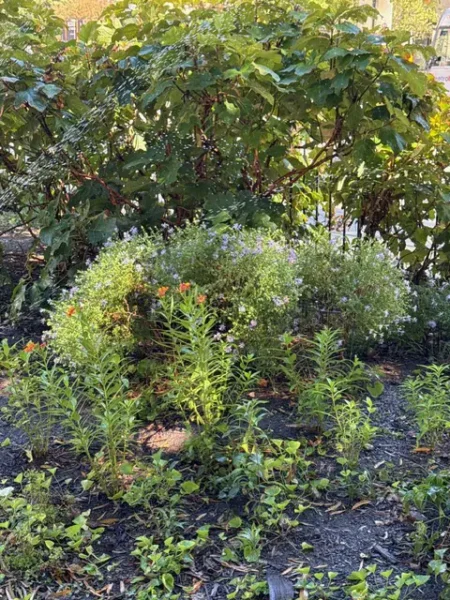
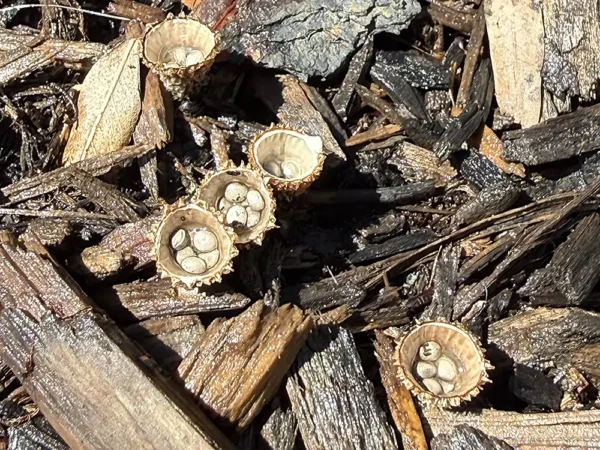
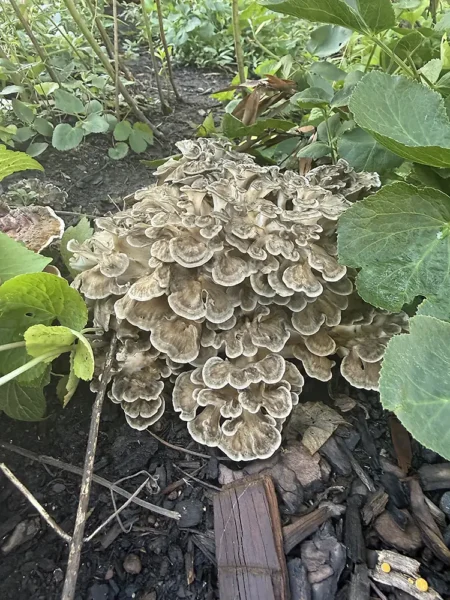
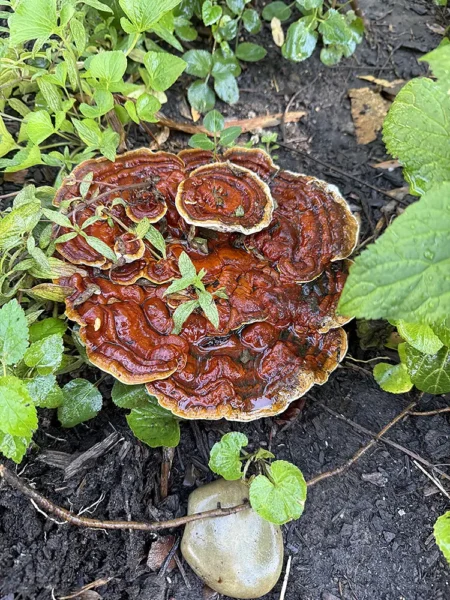
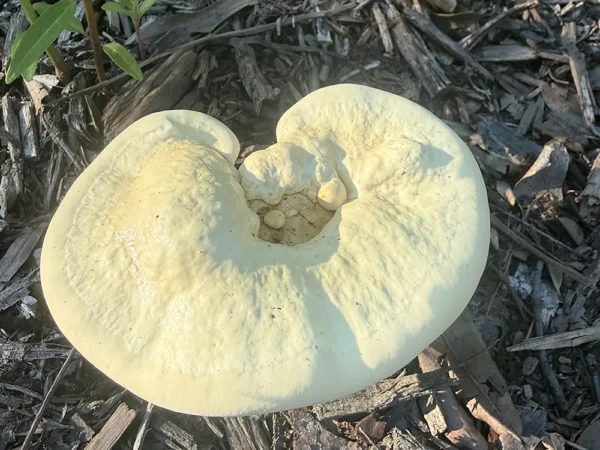
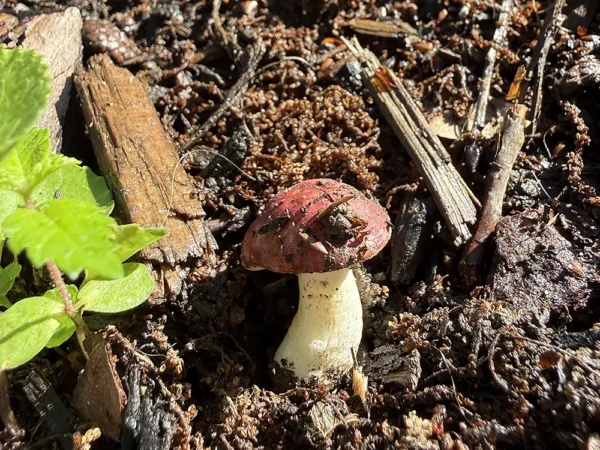
The park is wrapping up its first full growing season and we have lots to celebrate! We achieved our primary goal: pollinators have found the park and are clearly enjoying what we’ve planted – over 25 native plant species blooming from April through October. We have also seen at least 6 different species of fungi, which indicate a healthy soil ecosystem. Many people passing by have commented on how much better the park looks and have joined our volunteer list. We’ve learned that the park’s micro-climate is more shady than expected, and very dry from both wind and drought. That will inform what additional plants we add, and how we move plants around for better results. Click on the pictures below to see what’s been blooming since July.
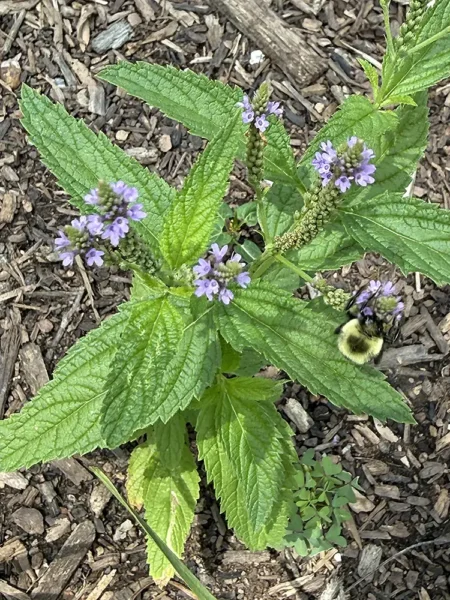
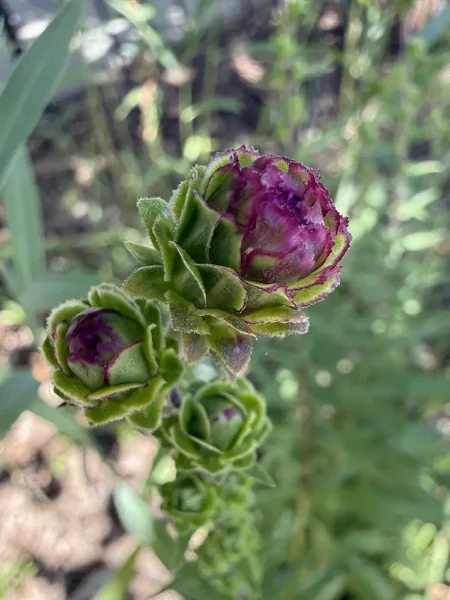
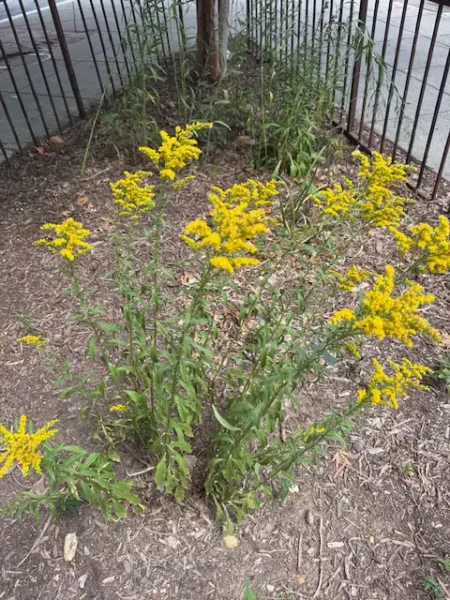
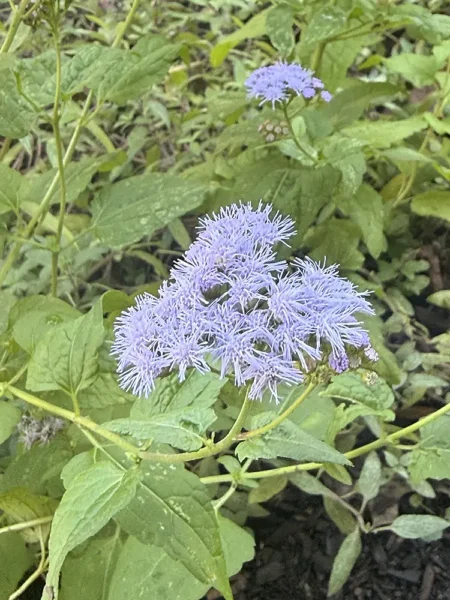
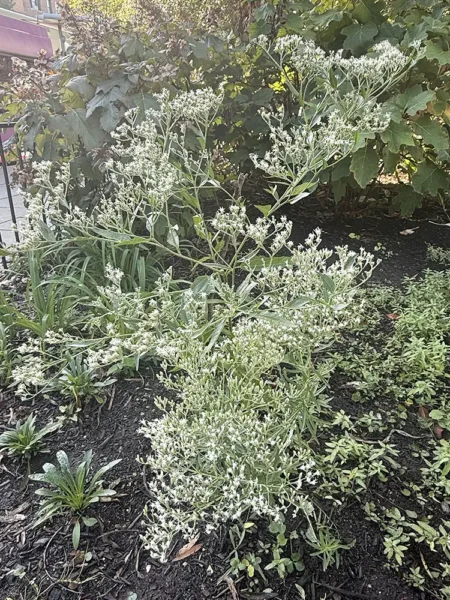
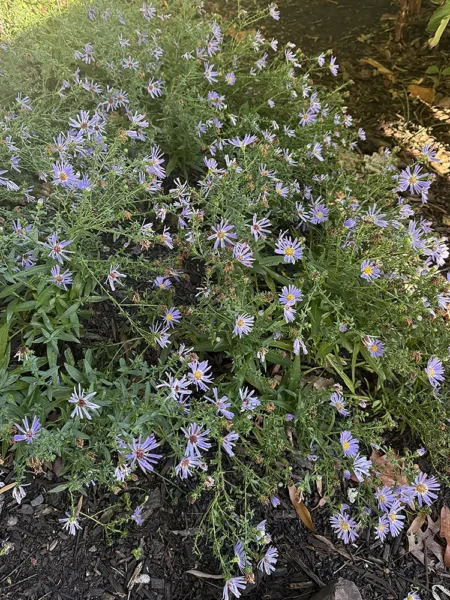
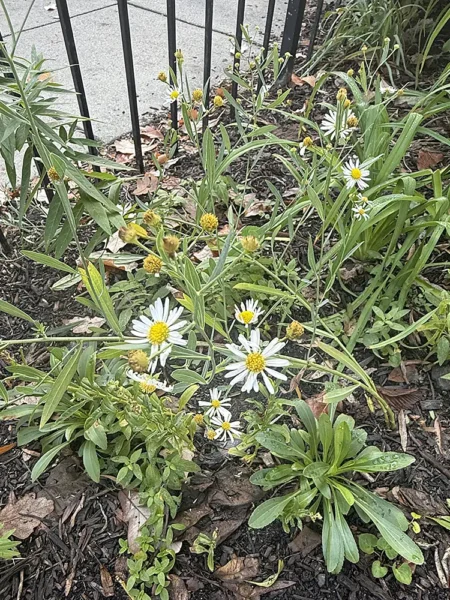
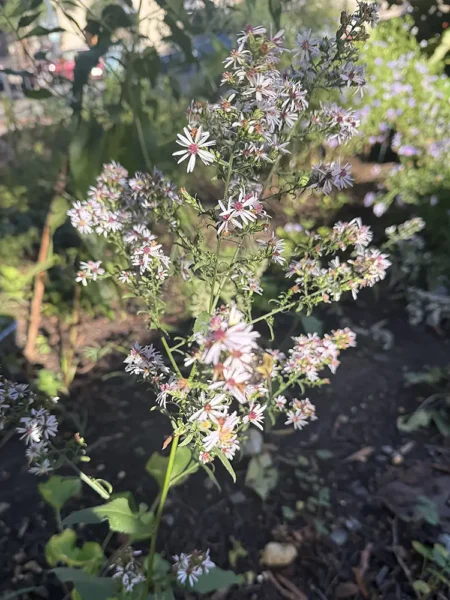
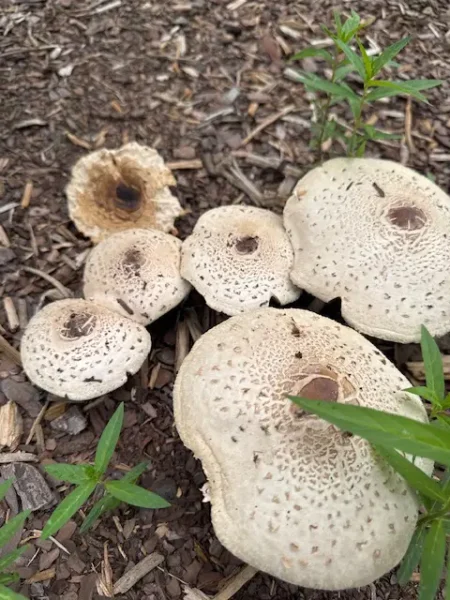
June 2026
We’re starting to see blooms and the first pollinators! The park is surviving, which is big accomplishment given the extreme drought. It will need consistent watering to establish deep roots. Thank you in advance for helping this effort. Below are some snaps of blooms from May and June. Click on any picture to start the slideshow.
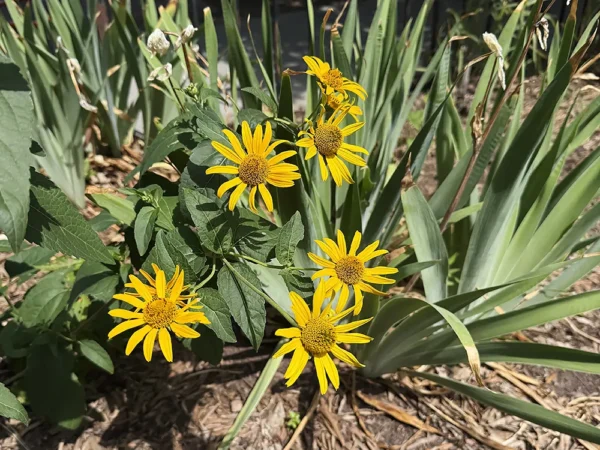
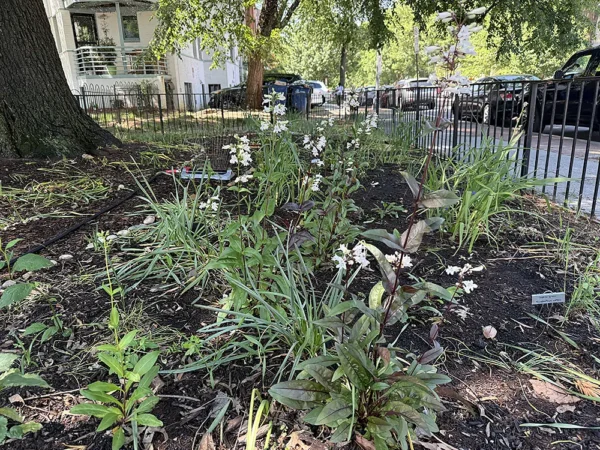
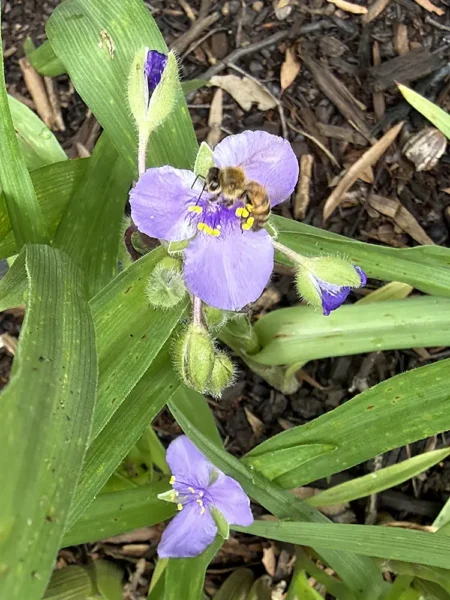
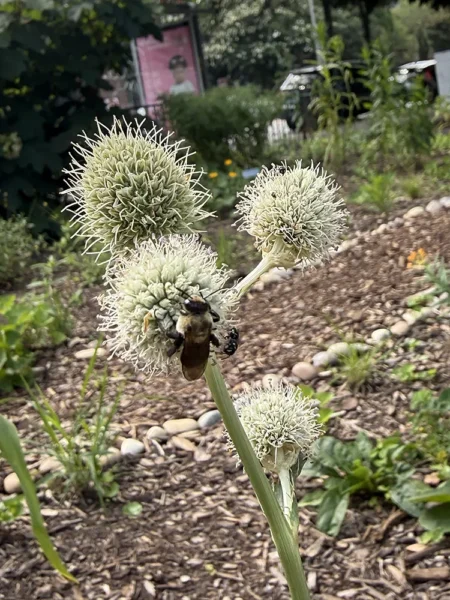
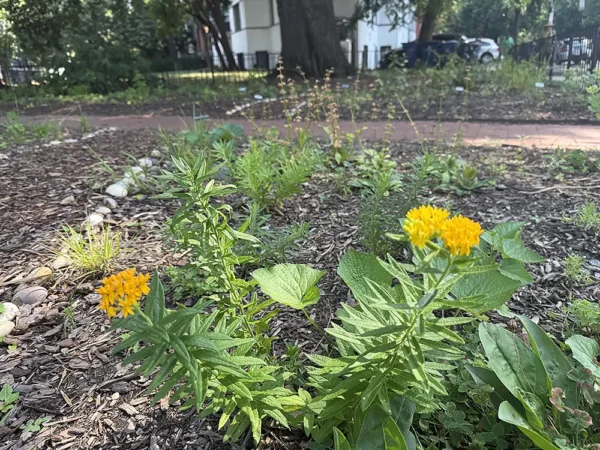
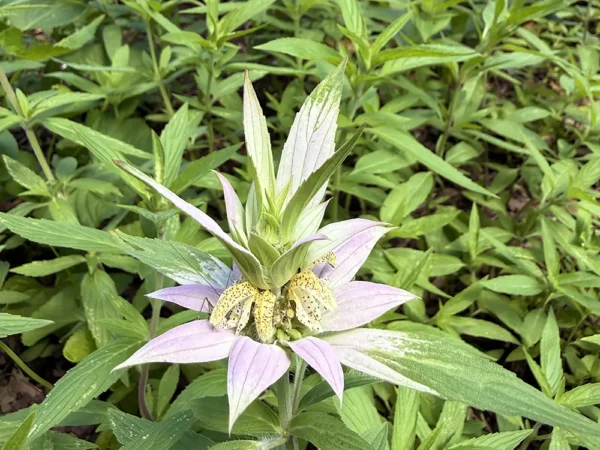
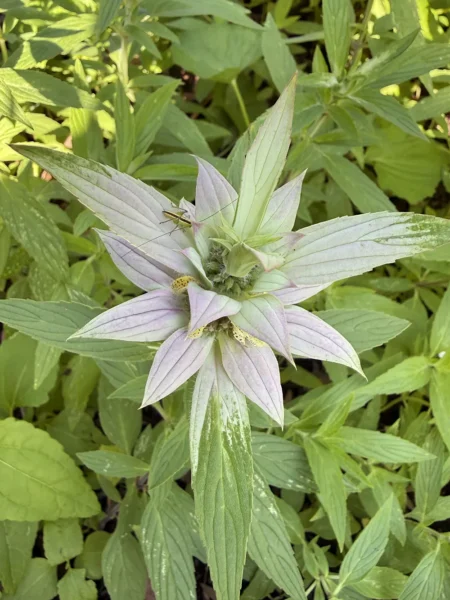
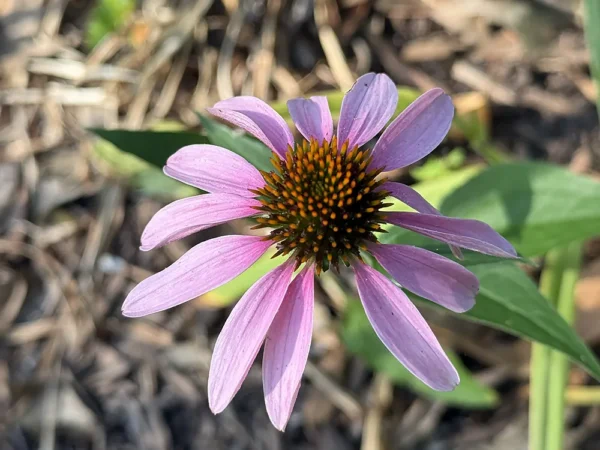
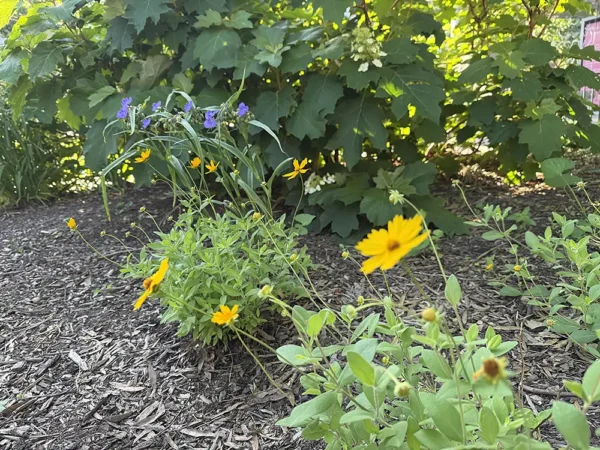
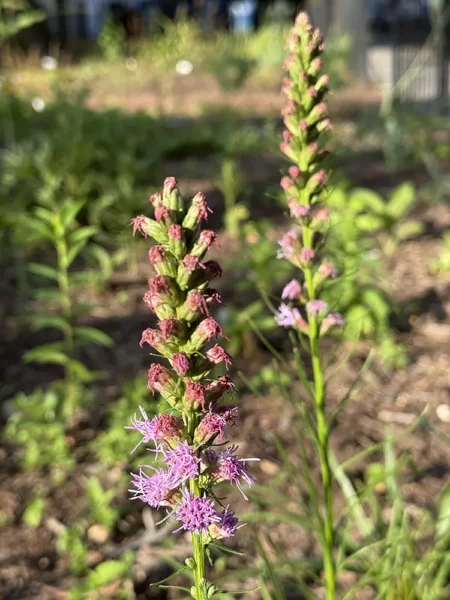
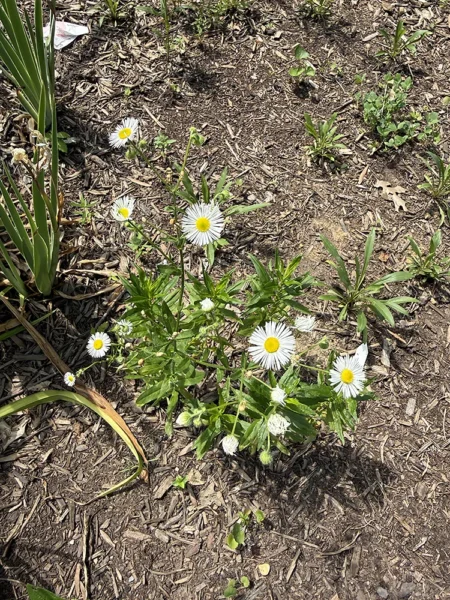
April, 2026
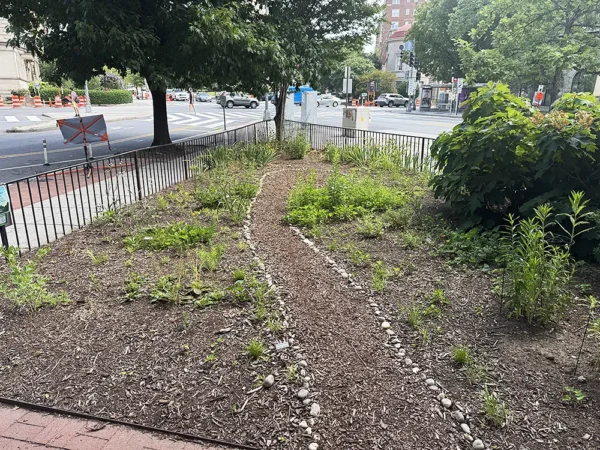
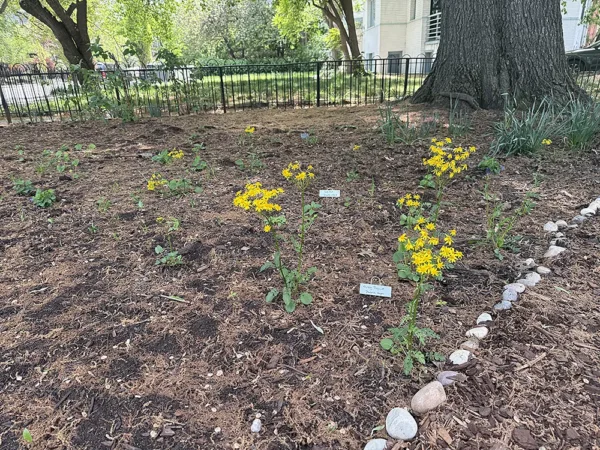
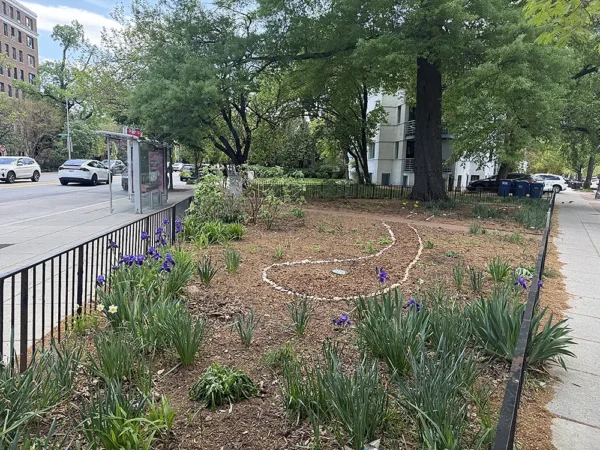
- Created walking paths with mulch
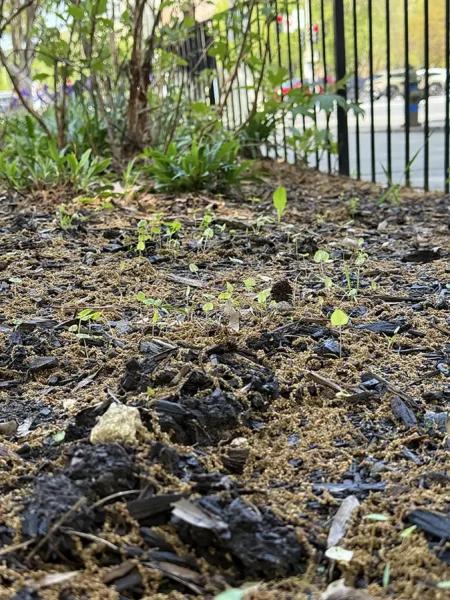
- Planted 130 plugs of plants including Alliums, Carex, Echinacea, Purple lovegrass, Goldenrod, Liatris, Golden ragwort, Penstemon, Salvias. Spread seeds of several other native plants.
- Put down a layer of LeafGro which is an organic compost that adds nutrients to the soil and helps retain soil moisture during dry spells. It’s made of composted leaves and grass clippings. These remnants are normally destined for the landfill, but every fall Maryland Environmental Service collects discarded leaves and takes them to composting facilities.
October / November 2025
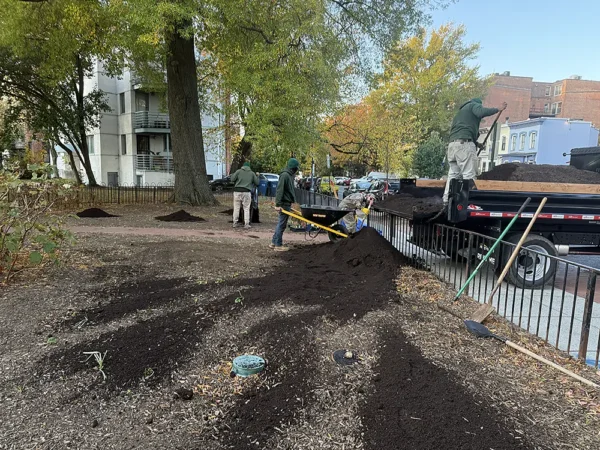
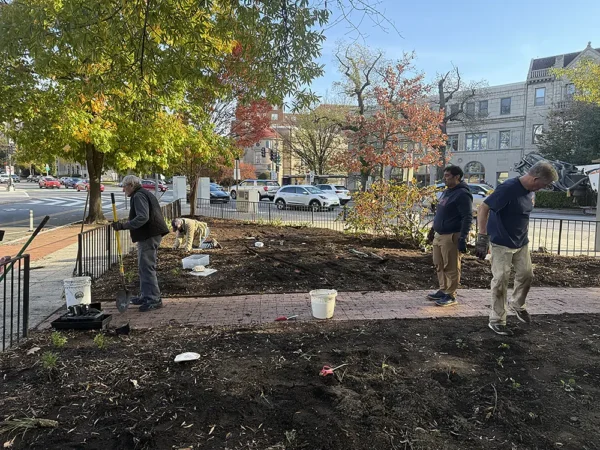
Several volunteers from the neighborhood came to help in the fall of 2025. Our work included:
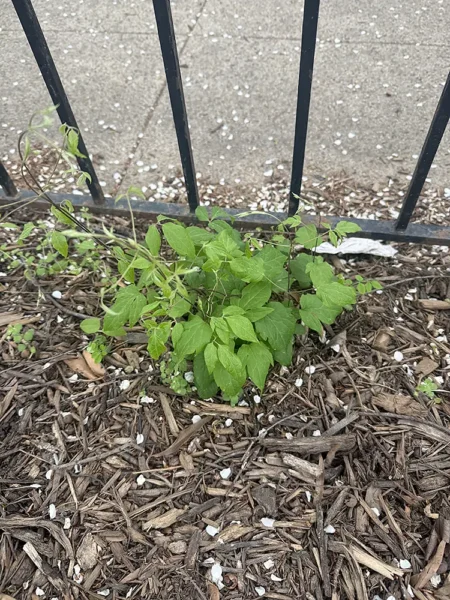
- Removed invasive plants including Leatherleaf mahonia, English Ivy, Sweet autumn clematis, and 90% of the Liriope
- Put down 5 cubic yards of compost, spread it around the site and raked it into the soil
- Consulted with BonaTerra native plant nursery on the plant selection and location
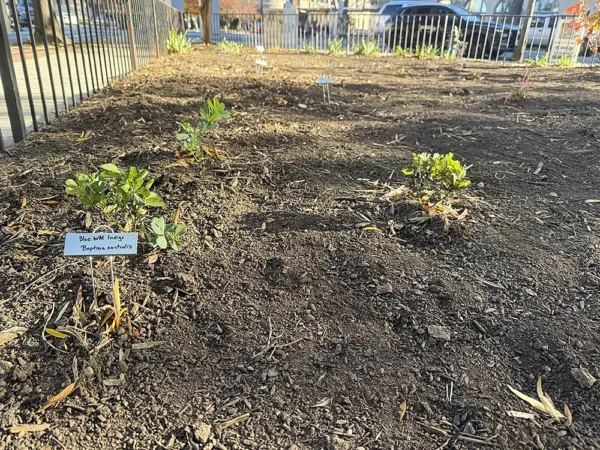
- Planted roughly 100 native plants of 15 species. Most are small plugs; others plants I sourced from a 75% off end-of season sale
- Transplanted other native plants, including common violets and black-eyed susans
- Planted seeds from another 9 species which were harvested from my own native gardens
- Installed plant markers for most all species
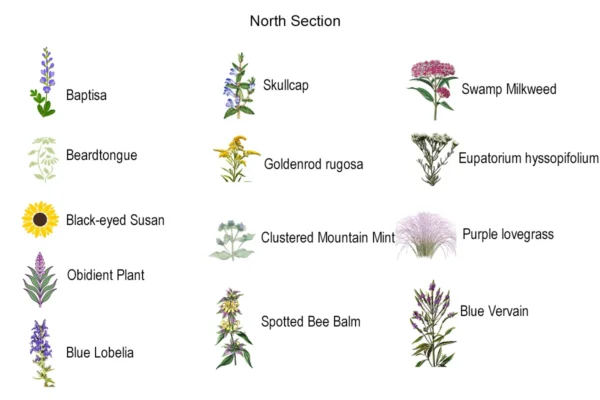
Chosen Native Plants
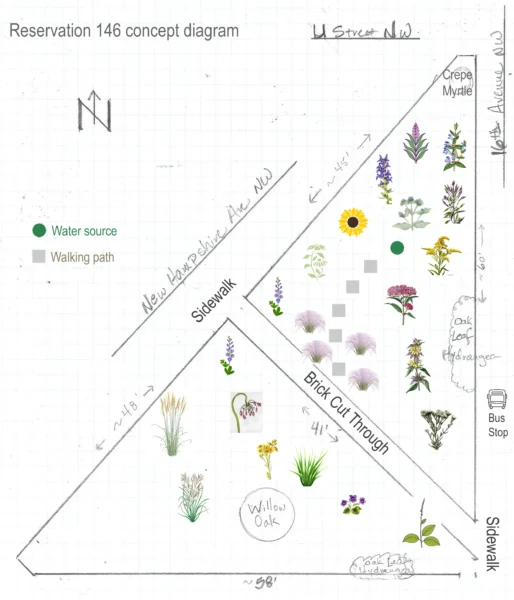
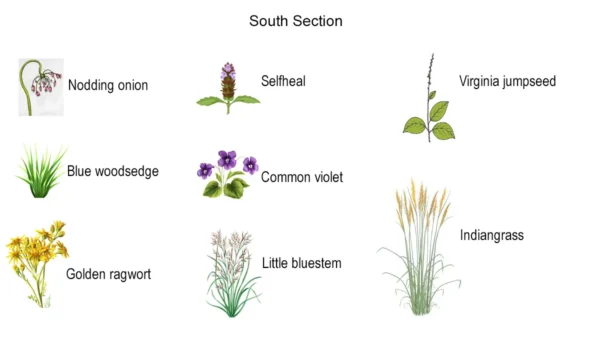
The plant list may change but the common plant traits I’ve looked for are: native to DC, ability to tolerate dry conditions, tiered plant heights with a height cap of 4 feet, a mounding or neat habit (not too tall or floppy), and staggered bloom time from spring through late fall.
click for larger view
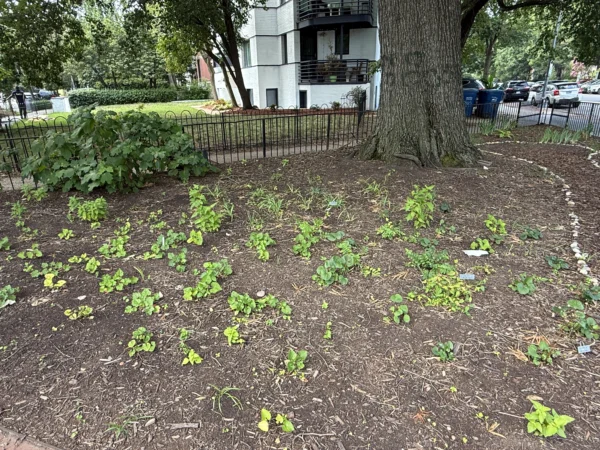
June 2025 – in the beginning
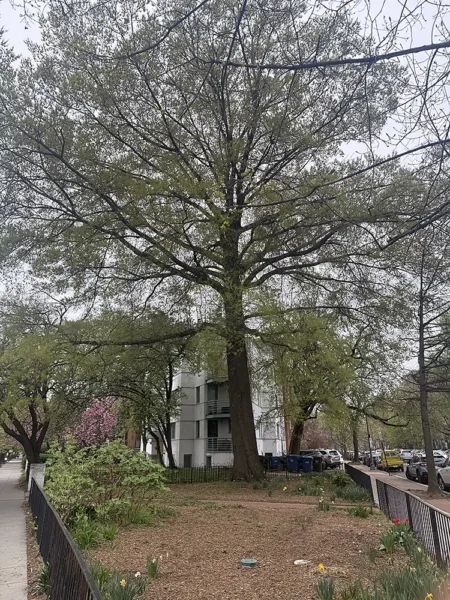
These pictures show the park as it has looked for the past few years. Several invasive plants including liriope, leather leaf mahonia, sweet autumn clematis were present.